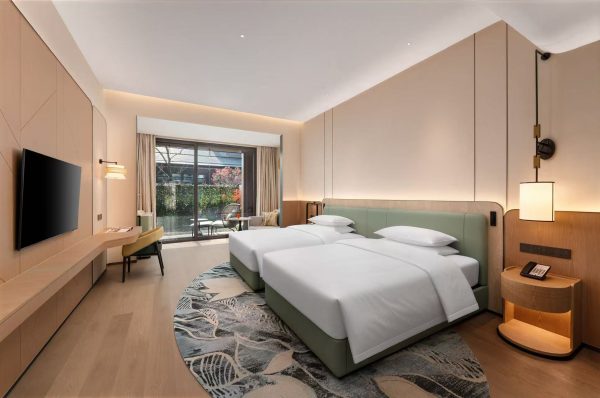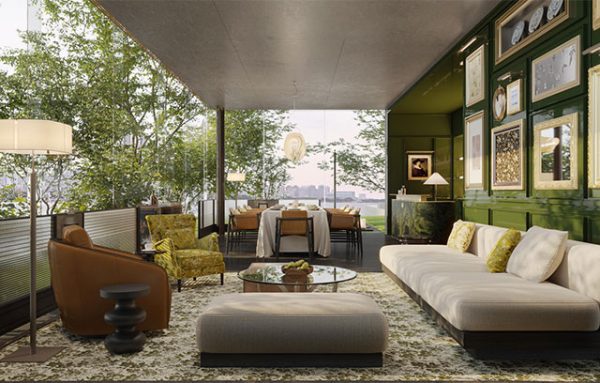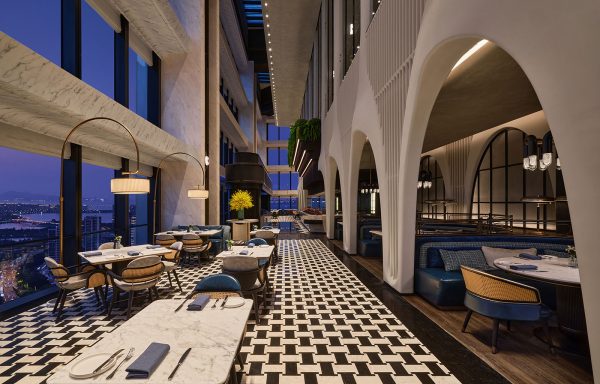

From design intent to production-ready furniture, a clear specification helps hotel projects control quality, cost and delivery.
A hotel furniture specification is a technical document that defines what a manufacturer needs to produce for a hotel project — including dimensions, materials, surface finishes, construction, hardware, functional details, installation requirements, quantities and references. Combined with shop drawings, material samples and a clear BOQ, it lets the designer, purchaser and manufacturer share the same understanding of what is being produced, and gives quality control an approved reference. IDM Hotel Furniture supports this process from technical development through custom manufacturing and delivery.
A hotel interior design may look complete on screen, but turning those drawings into real furniture requires much more than visual references. A rendering can show the appearance of a headboard, wardrobe, bedside table, desk or TV cabinet. However, a furniture manufacturer also needs to know the exact dimensions, materials, finishes, construction details, hardware and installation requirements before production can begin.
Without this information, different manufacturers may interpret the same design in different ways. The finished furniture may not match the approved concept, quotations may be difficult to compare, and changes during production or installation can increase project costs. This is why a complete hotel furniture specification is essential to successful hotel furniture procurement.
In this guide, we explain what a hotel furniture specification should include, how shop drawings and material samples support the process, and how to prepare your furniture package for manufacturing.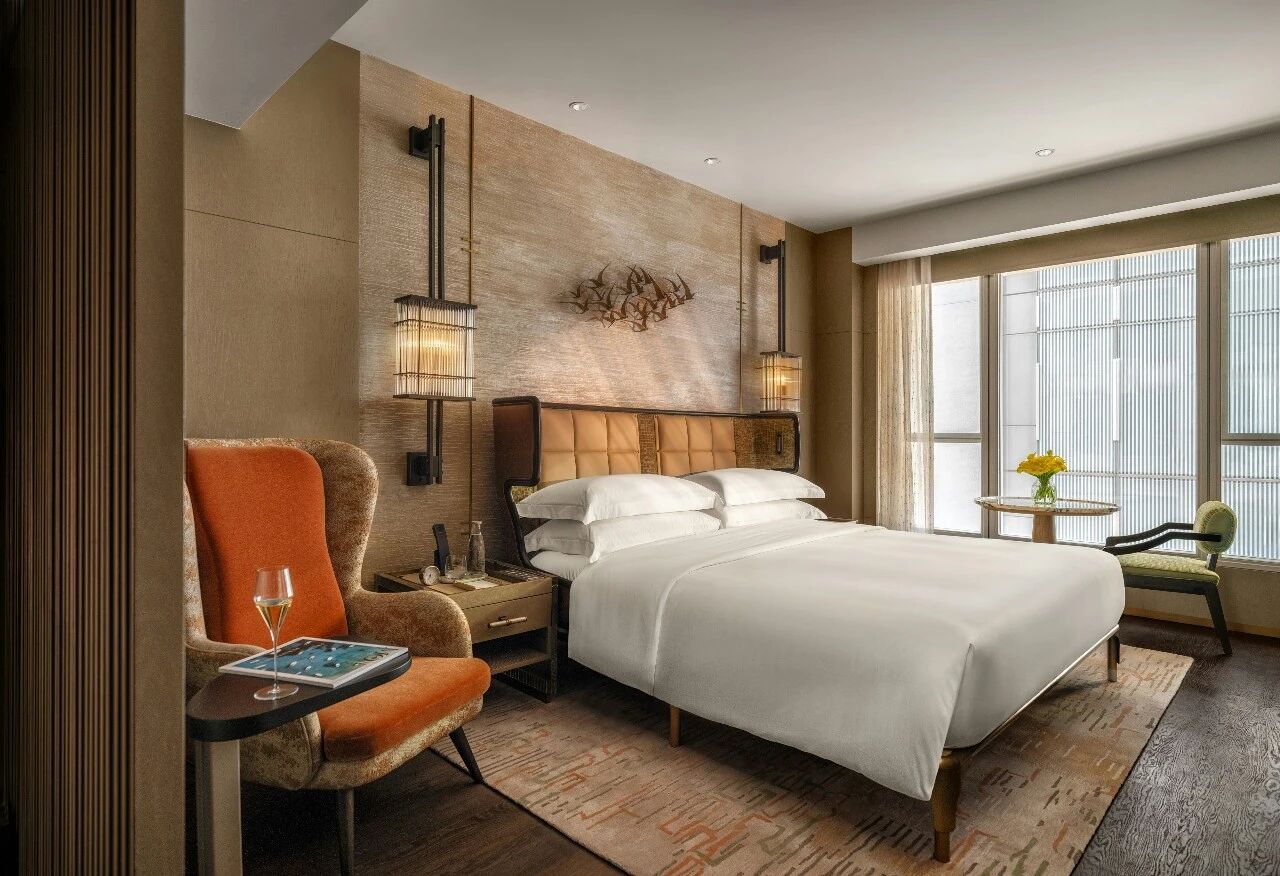
1. What Is a Hotel Furniture Specification?
A hotel furniture specification defines what a furniture manufacturer needs to produce for a hotel project. It goes beyond a product description or a quotation — it provides the information needed to manufacture, inspect, deliver and install each item according to the approved design and project requirements.
“Custom wooden hotel bedside table” does not provide enough information for accurate manufacturing.
A more complete specification may include:
Dimensions
Length, width, height, panel thickness and installation clearances.
Materials
Core materials, wood veneer, solid wood, metal, glass, stone or upholstery fabrics.
Surface Finishes
Paint systems, veneer finishes, laminate, edge treatments and color references.
Construction
Panel structure, joints, drawer systems, hinges, runners and internal supports.
Hardware
Hardware types, functions, finishes and project-specific requirements.
Functional Details
Storage capacity, electrical access, ventilation and other practical features.
Installation Requirements
Fixing methods, site dimensions, assembly details and coordination with other interior elements.
Quantity & References
Product codes, room types, quantities and applicable project standards.
The exact information required depends on the furniture type and project scope. The purpose is straightforward: the designer, purchaser and manufacturer should share the same understanding of what is being produced.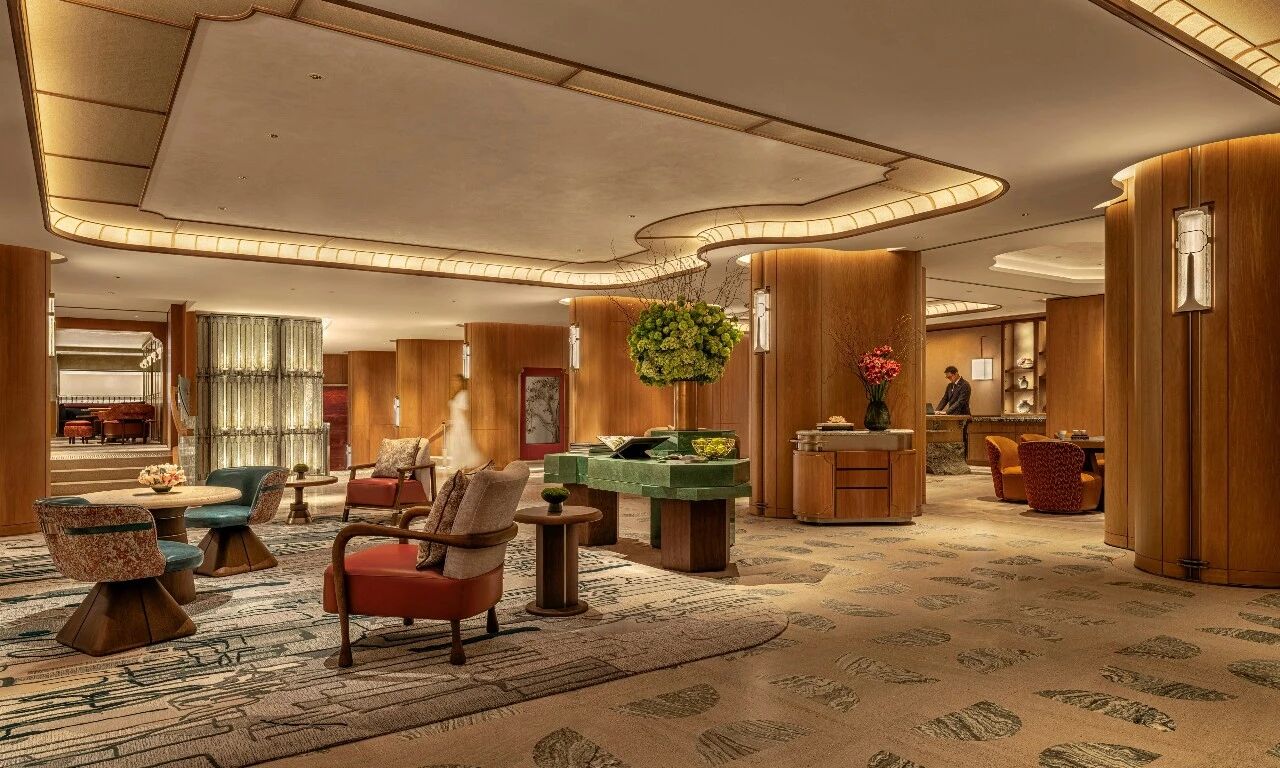
2. Why Are Furniture Specifications More Important Than Drawings Alone?
Interior design drawings and 3D renderings are essential for communicating the intended appearance of a hotel space, but they do not always contain enough technical information for production.
Consider a wall-mounted TV cabinet in a hotel guestroom. A rendering may show its proportions, color, door layout and relationship with the wall. The manufacturer still needs to determine the panel construction, internal materials, hardware, fixing method, cable openings, ventilation requirements and installation clearances. If these details are missing, manufacturers make different assumptions — one may quote natural wood veneer while another prices a laminate; one may include concealed cable management while another excludes it. Both quotations may look reasonable, but they do not cover the same product.
This creates three common project risks:
Different material and construction assumptions make it difficult to compare prices fairly.
The finished furniture may look different from the approved design because important details were never confirmed.
Missing dimensions, hardware information or site coordination details may lead to costly revisions. A complete specification reduces these risks before they affect manufacturing or the hotel opening schedule.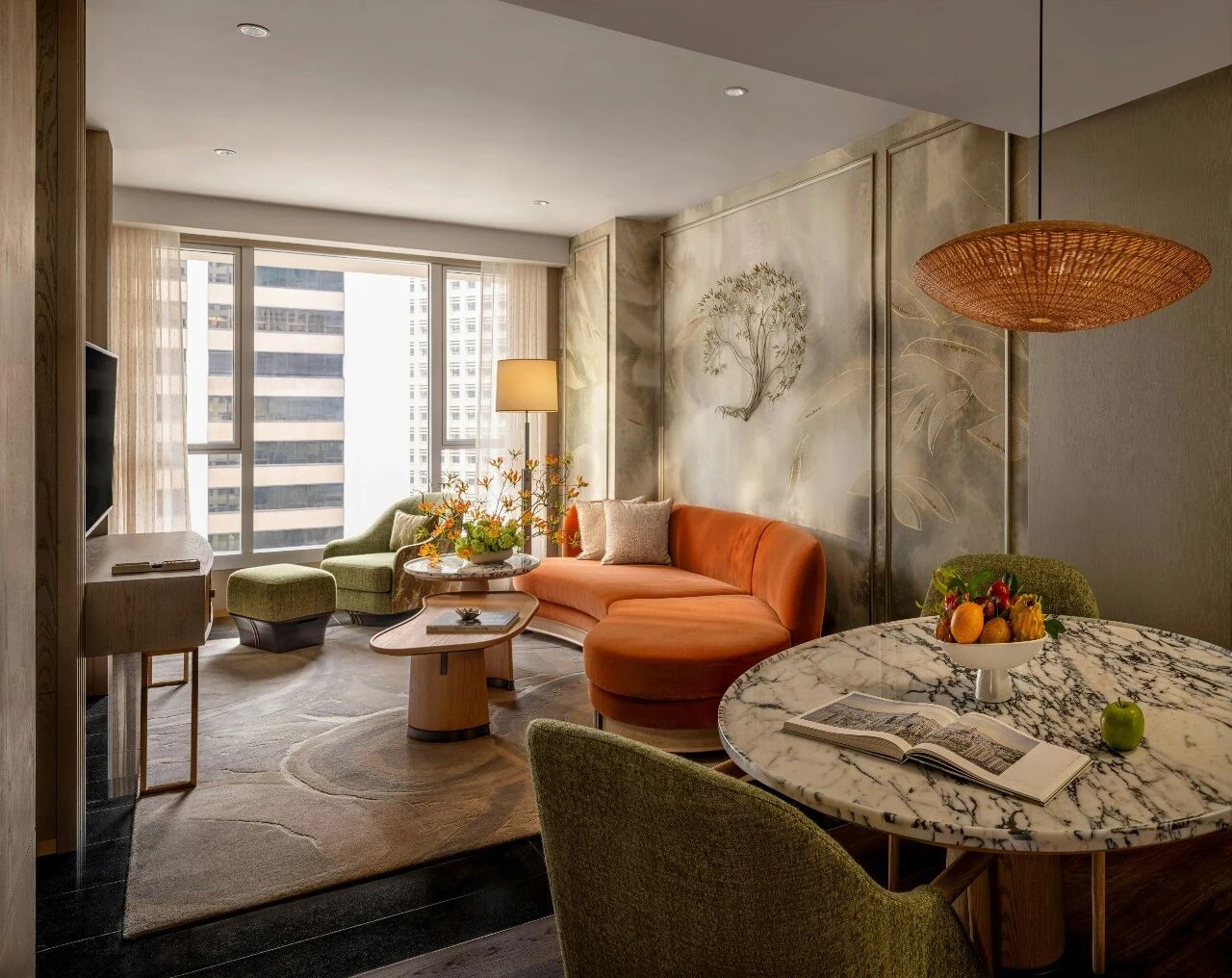
3. The Five Key Elements of a Production-Ready Hotel Furniture Specification
A useful way to prepare a hotel furniture specification is to organize it into five main areas.
3.1
Design Intent
Design intent explains how the furniture should look and how it fits into the overall interior concept. This helps the manufacturer understand the designer’s vision before developing the technical solution.
The objective is not simply to reproduce a picture. It is to preserve the intended appearance while identifying what is needed to manufacture the furniture correctly.
3.2
Dimensions and Spatial Requirements
Dimensions determine whether furniture fits the room, functions properly and can be installed as planned. A specification should identify overall measurements and, where necessary, detailed construction dimensions.
For custom hotel furniture, dimensions may need adjusting to the architectural layout and actual site conditions — particularly for wardrobes, headboards, minibar cabinets, bathroom vanities, TV walls and other fixed furniture. Before production, confirm which dimensions come from approved drawings and which require site measurement.
3.3
Materials and Finish Specifications
Material selection affects appearance, construction, cost, maintenance and performance in a hospitality environment. General descriptions such as “wood finish” or “premium fabric” are not precise enough for most custom furniture projects.
Color references and physical samples are particularly useful when several materials need to match within the same guestroom or public area. The veneer on a bedside table may need to coordinate with the headboard, wardrobe and TV cabinet — confirming the finish standard before mass production maintains consistency across the furniture package.
3.4
Construction and Functional Details
A furniture item may look simple from the outside but require detailed engineering to perform as intended. For hotel casegoods, construction information may cover panel structure, joints, edge banding, drawer systems, hinges, runners, backing panels, leveling systems and fixing methods. For upholstered furniture, it may need to define frame construction, foam, fabric composition, stitching and internal support.
Functional requirements matter too: Does a minibar cabinet need ventilation? Does a desk require cable access? Does a headboard incorporate lighting? Does a wardrobe need specific hanging clearances? These questions should be resolved during technical development rather than left to interpretation during production.
3.5
Installation Requirements
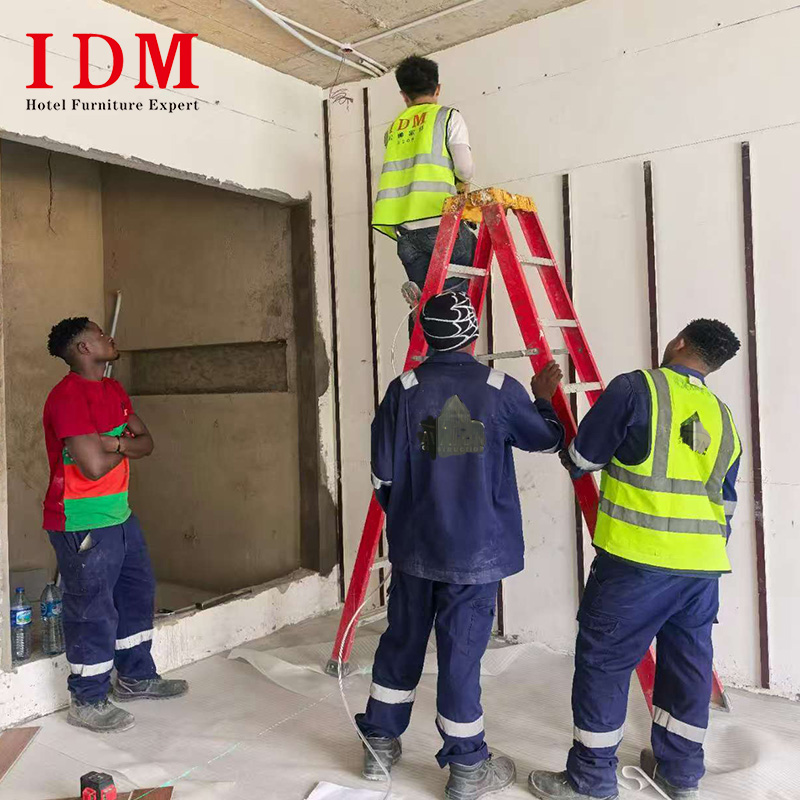
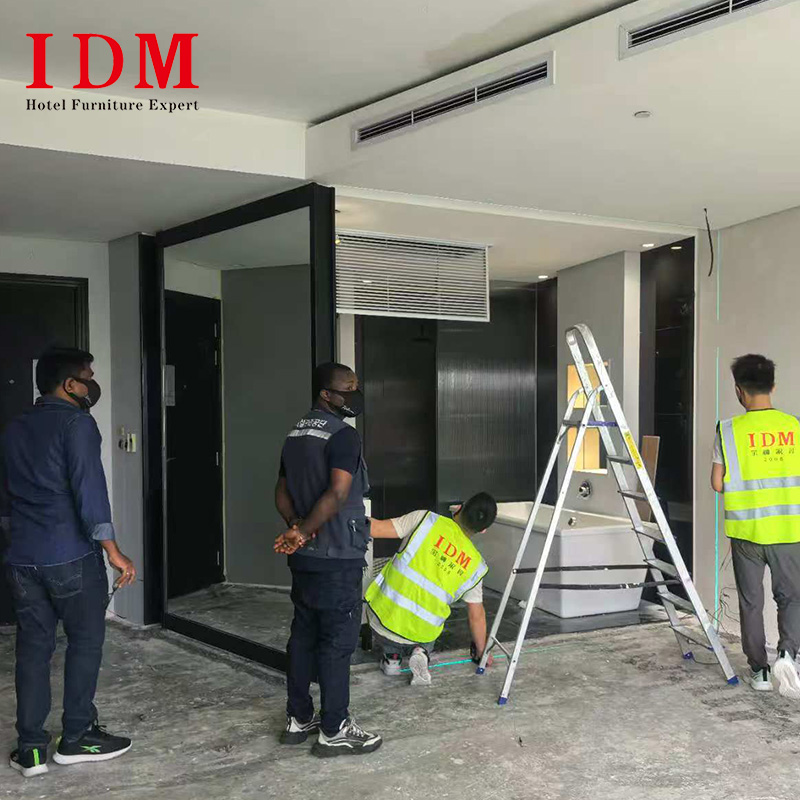
Furniture can be manufactured to the approved drawings and still encounter problems on site if installation requirements have not been coordinated. Hotel furniture may connect with walls, flooring, skirting, lighting, electrical outlets, mirrors, stone surfaces or other interior elements. For fixed furniture, clarify:
Good installation planning begins during design and engineering, not when the furniture arrives at the hotel.
4. Hotel Furniture Shop Drawings: From Design Concept to Manufacturing
Once the furniture concept has been reviewed, the next step is usually technical development and shop drawing preparation. A hotel furniture shop drawing translates the approved design into technical information the manufacturer can use for production. Depending on the item, it may include:
- Front, side and top views
- Sections and enlarged details
- Overall and internal dimensions
- Material and finish references
- Construction details
- Hardware specifications
- Assembly methods
- Electrical openings and cable routes
- Fixing points and installation details
For example, a curved upholstered headboard may look straightforward in a rendering. Its shop drawing may need to define the curve, overall dimensions, internal structure, upholstery construction, lighting coordination, cable routing and wall fixing method — reviewed before manufacturing begins.
Rendering vs. Shop Drawing: What Is the Difference?
Both are important, but they serve different purposes. For custom hotel furniture, establish a clear drawing review and approval process before mass production.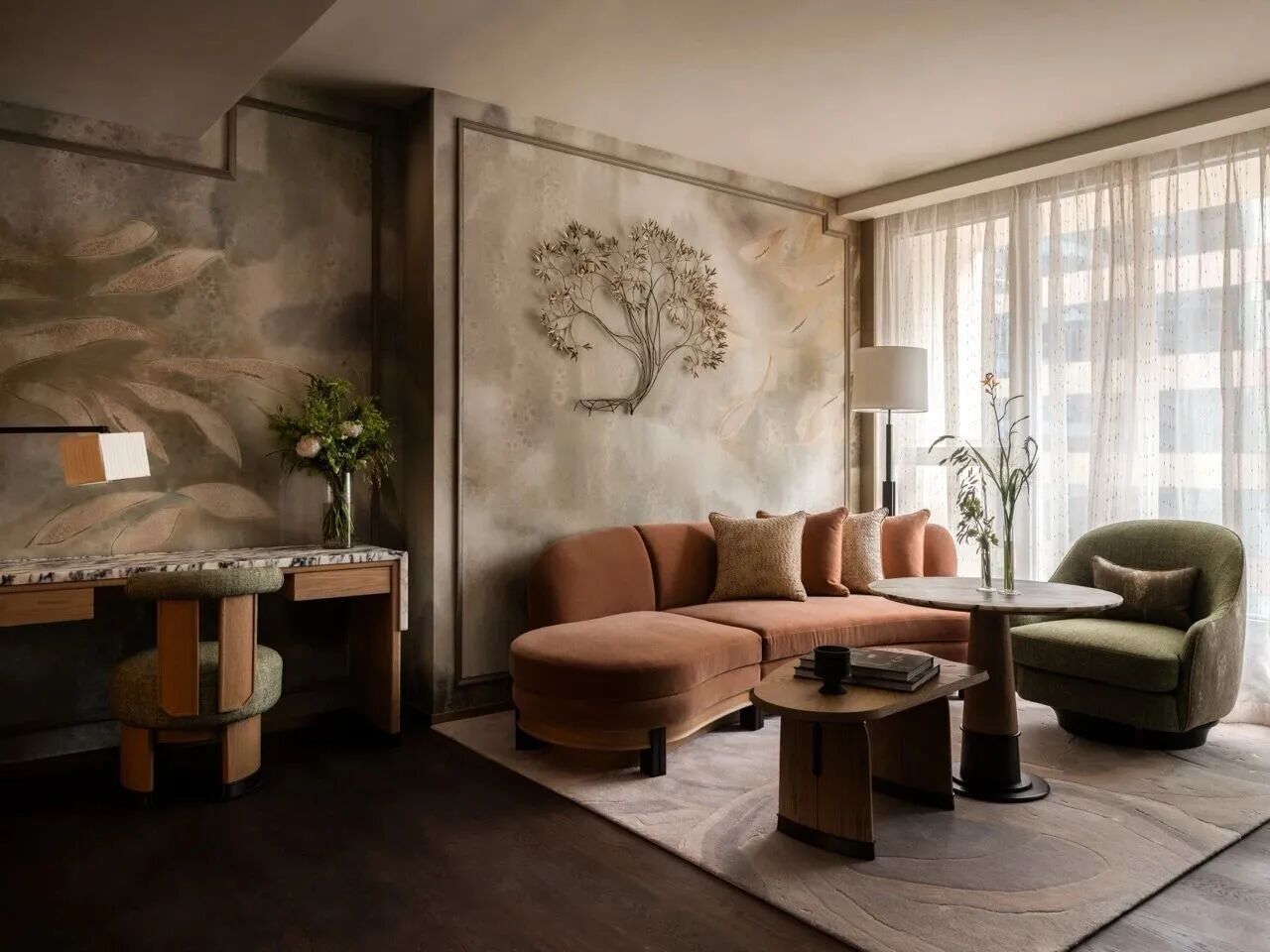
5. How to Prepare a Hotel Furniture BOQ and RFQ
A hotel furniture BOQ, or Bill of Quantities, lists the furniture items required for a project and their quantities. A typical guestroom BOQ may include:
A BOQ should do more than list product names. Each item should have a unique reference number used across drawings, specifications, quotations, production documents, packing lists and inspection records:
| Reference | Item |
|---|---|
| IDM-HB001 | King Bed |
| IDM-HB002 | Bedside Table |
| IDM-HB003 | Headboard |
| IDM-HB004 | Writing Desk |
The same reference system helps the project team track each item from quotation to final delivery.
What Should Be Included in a Hotel Furniture RFQ?
An RFQ, or Request for Quotation, should provide enough information for manufacturers to quote the same scope. Where available, prepare:
- Architectural floor plans and room layouts
- Interior design drawings and renderings
- Furniture BOQ and quantities
- Furniture specifications and shop drawings
- Material and finish references
- Required quality and performance standards
- Packaging and shipping requirements
- Installation scope and site conditions
- Project location and delivery schedule
- Warranty and after-sales requirements
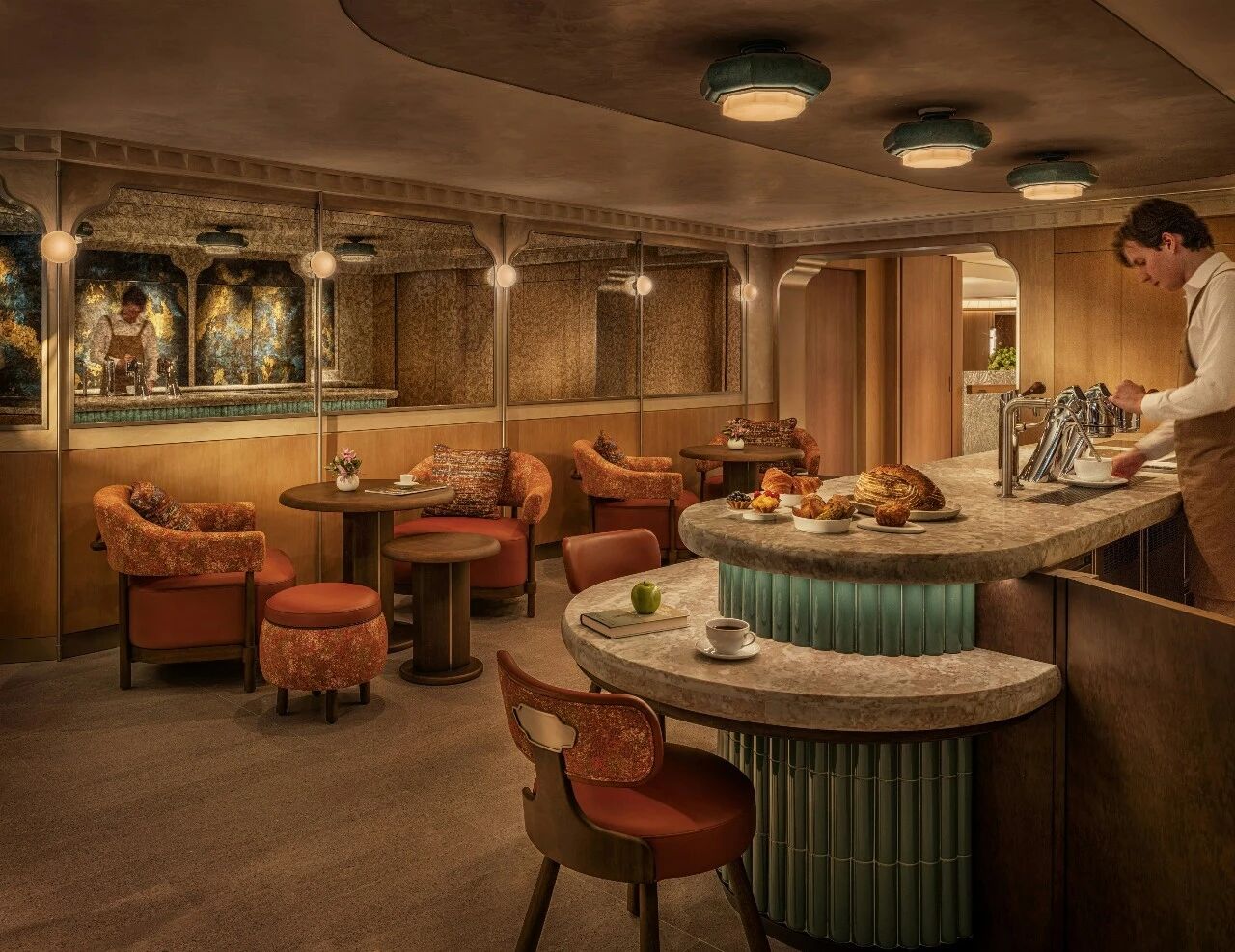
If some details have not been finalized, identify them clearly rather than allowing each manufacturer to make different assumptions. A clear RFQ improves quotation accuracy and makes it easier to compare materials, construction, scope and total project cost.
6. How to Compare Hotel Furniture Quotations Fairly
The lowest initial quotation does not always represent the best overall value. Three manufacturers quoting the same bedside table may differ in price because of material selection, panel thickness, hardware, finish, construction, packaging or installation scope. Before comparing prices, confirm that the quotations cover the same requirements:
| Comparison area | What to check |
|---|---|
| Dimensions | Are the sizes and tolerances consistent? |
| Materials | Are the specified substrates and surface materials included? |
| Construction | Are internal structures and joining methods clearly defined? |
| Finishes | Do the quotations follow the approved finish references? |
| Hardware | Are the types, functions and specifications comparable? |
| Quantities | Are all items and quantities included? |
| Quality control | What inspections are included before shipment? |
| Packaging | Is the packing method suitable for transport and project requirements? |
| Delivery | Are lead times, shipping scope and delivery responsibilities clear? |
| Installation | Is installation included, excluded or provided as a separate service? |
| Warranty | Are warranty terms and after-sales responsibilities defined? |
For hotel furniture procurement, the best comparison is specification against specification, not price against price.
When a manufacturer proposes an alternative material or construction method, the change should be documented and reviewed before approval.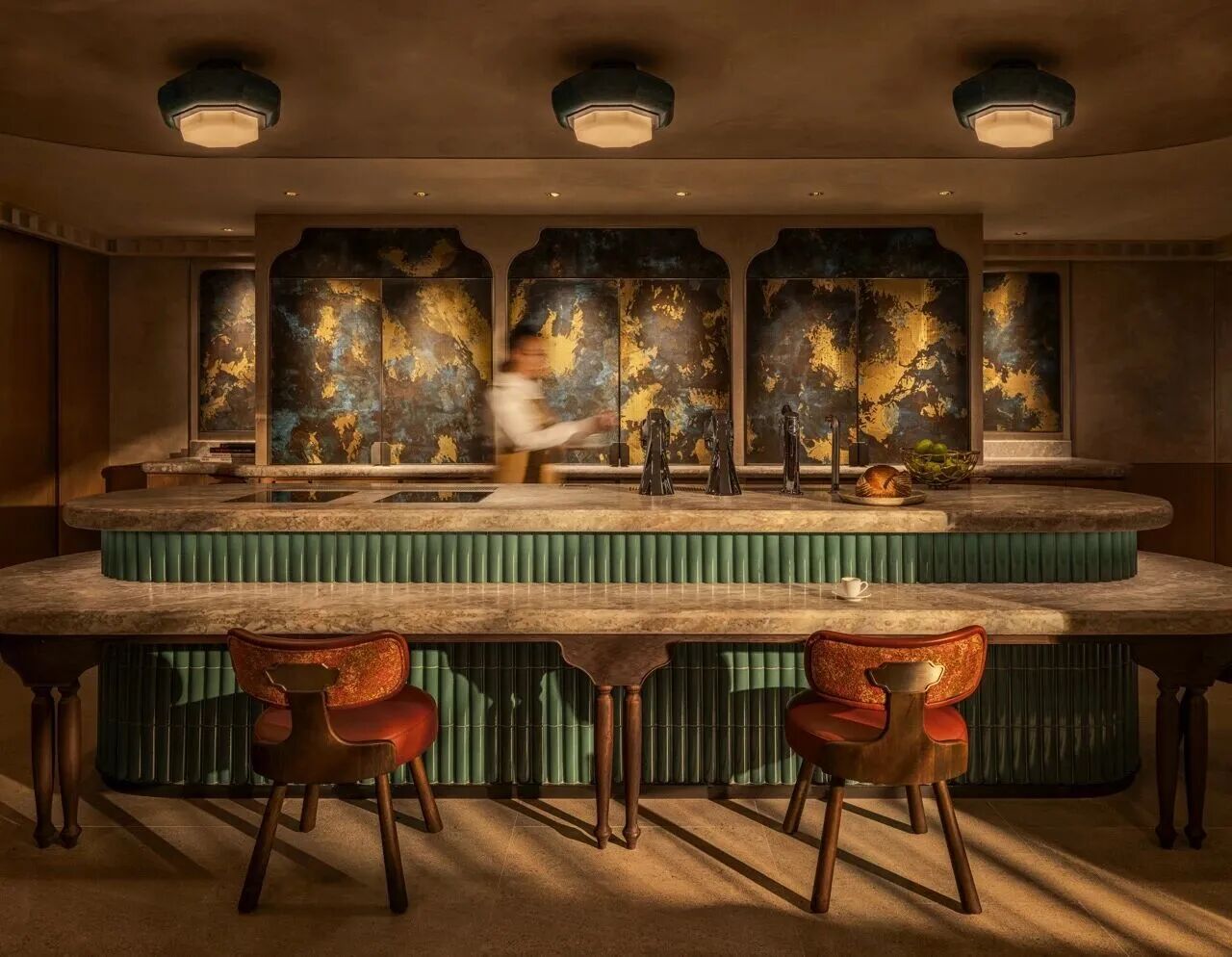
7. Why Material Samples and Mock-Up Rooms Matter
Technical drawings explain dimensions and construction, but some aspects of a furniture design are easier to evaluate physically. Material samples help the project team confirm color, texture, sheen and material appearance before production — depending on the project, wood veneer, paint finishes, upholstery fabrics, stone and other specified materials.
For larger or more complex hotel projects, a furniture mock-up or mock-up room provides another level of review. A mock-up allows the team to evaluate:
- Furniture proportions and appearance
- Walking and installation clearances
- Color and material coordination
- Upholstery and finish quality
- Ergonomics and functionality
- Storage capacity
- Lighting and electrical access
- Assembly and installation details
A desk may look correct in a rendering but provide insufficient legroom; a bedside table may appear well proportioned but sit too low beside the selected bed. Finding these issues at the mock-up stage makes it easier to adjust the design before mass production. The need for a mock-up depends on project scale, complexity, specifications and approval requirements — when one is required, confirm its scope and approval criteria in advance.
8. Quality Control Should Follow the Approved Specification
A hotel furniture specification is not only a design and manufacturing document — it is also a reference for quality control. During inspection, finished furniture should be checked against the approved drawings, specifications, samples and applicable quality requirements. Depending on the product, inspection may cover:
- Dimensions and workmanship
- Material and finish consistency
- Surface defects
- Edge treatment
- Hardware installation and operation
- Drawer and door function
- Upholstery quality
- Assembly and structural details
- Compliance with approved drawings
- Packing condition and identification
For custom furniture packages, consistent standards matter across repeated items and multiple guestrooms. Quality requirements should be defined before production, with inspection points agreed by the relevant project parties.
9. Common Hotel Furniture Specification Mistakes
Many furniture procurement problems can be reduced through better preparation and coordination. Here are common issues to avoid:
- Relying on renderings alone. Visual references may not provide sufficient technical information for production.
- Using vague material descriptions. Terms such as “wood,” “metal” or “high-quality fabric” lead to different interpretations.
- Leaving dimensions unconfirmed. Missing or changing dimensions can affect production and installation.
- Approving samples without clear references. Samples should be linked to the relevant product and finish requirements.
- Comparing quotations with different specifications. Price differences may reflect different product scopes rather than manufacturing efficiency.
- Changing materials without documenting the change. Substitutions should be reviewed and approved before implementation.
- Ignoring coordination with other trades. Furniture may need to align with electrical services, lighting, flooring, walls and other interior elements.
- Leaving installation responsibilities unclear. Site measurement, fixing, assembly and final adjustment should be addressed before delivery.
- Treating installation as a last-minute task. Installation requirements need to be considered during technical development.
These issues can lead to rework, additional costs, inconsistent furniture and delays to the overall project.
10. A Practical Workflow: From Interior Drawings to Hotel Furniture Delivery
A coordinated workflow helps the design, procurement, manufacturing and site teams work from the same information. A typical sequence is:
-
Design review
Confirms the intended appearance and project requirements.
-
Specification development
Defines dimensions, materials, finishes and functions.
-
Shop drawing review
Confirms how the furniture will be manufactured and installed.
-
Sample approval
Confirms the selected materials and finishes.
-
Mock-up approval (where required)
Checks the furniture in a physical setting.
-
Manufacturing and quality control
Ensure production follows the approved documents.
-
Packing, delivery and installation
Bring the approved furniture to the hotel site and complete the project scope.
The key principle is to resolve issues at the stage where they can be addressed most efficiently: design questions during design review, technical questions during shop drawing development, material questions during sample approval, installation issues before shipment. This reduces the risk of discovering major problems after production has started or the furniture has arrived on site.
11. How IDM Supports Hotel Furniture Specification and Custom Manufacturing
For hotel projects, the furniture specification needs to connect design intent with practical manufacturing and installation requirements. IDM Hotel Furniture supports this process through custom hotel furniture development, technical drawing coordination, material and sample confirmation, manufacturing, quality control and project delivery.
Custom Furniture Development
IDM develops furniture solutions based on project layouts, interior design concepts, technical specifications and functional requirements. Customization can cover dimensions, configurations, materials, colors, finishes, hardware and design details, depending on the approved project scope.
Technical Drawings & Engineering
For projects with approved designs, technical development translates the design into production-ready solutions. Where the FF&E package is not yet complete, the process can begin with the available floor plans, design direction and project brief, with remaining technical requirements identified for development and confirmation.
Material Selection & Sample Approval
Material and finish coordination helps the project team confirm the intended appearance before mass production. Physical samples can be used to review veneer, paint, fabric, stone and other specified finishes.
Custom Manufacturing & Quality Control
IDM manufactures custom fixed and loose furniture (FF&E and Joinery) for guestrooms, public areas, restaurants, suites, penthouses and other hotel spaces. With a 100,000 m² manufacturing area, three manufacturing bases and a dedicated design team, IDM supports projects that require coordinated customization and production — with quality control aligned to approved drawings, specifications and samples.
Project Delivery & Installation Support
Furniture delivery involves more than completing production. IDM supports the delivery process through coordination of packing, logistics and installation-related requirements, based on the agreed project scope — so the approved design can be manufactured, delivered and installed with fewer avoidable misunderstandings.
12. What Should You Prepare Before Contacting a Hotel Furniture Manufacturer?
You do not necessarily need a complete furniture package before starting a discussion with a manufacturer. However, sharing the information already available helps identify the next steps. If possible, prepare:
- Project overview: Hotel type, location, room count and current project stage.
- Floor plans: Guestroom layouts and relevant public area plans.
- Interior design drawings: Renderings, elevations and furniture references.
- BOQ or FF&E schedule: Furniture categories, item references and estimated quantities.
- Specifications: Available dimensions, materials, finishes and technical requirements.
- Project timeline: Required approval dates, production milestones and target delivery date.
- Installation requirements: Site conditions and the expected division of responsibilities.
If you have only a preliminary design concept, you can still start with the floor plans and project brief. The first step is to identify what is already confirmed, what requires technical development and what needs approval before production.
Frequently Asked Questions
What is a hotel furniture specification?
A hotel furniture specification is a technical document that defines the dimensions, materials, finishes, construction, hardware, functions and installation requirements for furniture in a hotel project.
What is the difference between a furniture specification and a shop drawing?
A specification defines the required product and its technical requirements. A shop drawing shows how the furniture is designed for manufacturing and installation, including dimensions, construction details, materials, hardware and fixing methods.
Can hotel furniture be manufactured from interior design drawings alone?
It depends on the completeness of the drawings. Renderings and interior design plans may communicate the intended appearance, but additional technical development is often needed before production. Missing dimensions, materials, hardware or installation details should be confirmed.
Why should hotel furniture samples be approved before mass production?
Samples allow the project team to confirm material appearance, color, texture and finish before the same materials are used across a larger furniture package. This helps reduce the risk of inconsistencies and late changes.
How can I compare hotel furniture manufacturers fairly?
Provide each manufacturer with the same BOQ, drawings, specifications, quantities and delivery requirements. Compare the proposed materials, construction, finishes, quality control, packaging, logistics, installation scope and warranty alongside the quoted price.
When should hotel furniture production begin?
For custom hotel furniture, production should generally begin after the relevant technical drawings, materials, finishes, samples and other required approvals have been confirmed. The exact approval process depends on the project scope and contract requirements.
Can IDM help if my hotel furniture drawings are not finalized?
IDM can review the available project information, such as floor plans, preliminary interior concepts and the project brief, to identify the furniture development and technical coordination required. The specific services depend on the project’s needs and agreed scope.
Final Thoughts: Better Specifications Lead to Better Hotel Furniture Projects
Turning interior design drawings into real hotel furniture requires a clear process that connects design, engineering, manufacturing and installation. A complete furniture specification helps the project team protect design intent, compare quotations accurately, confirm materials, control quality and reduce avoidable changes during production.
The most effective approach is to clarify the technical details before mass production begins and keep the approved drawings, specifications, samples and inspection requirements aligned throughout the project. Whether your hotel project already has a complete FF&E package or is still at the design development stage, the right technical preparation can make furniture procurement more predictable.
Looking for a Custom Hotel Furniture Manufacturer for Your Project?
IDM Hotel Furniture works with hotel owners, developers, interior designers, contractors and FF&E procurement teams on custom hotel furniture projects. Share your floor plans, furniture drawings, BOQ, FF&E schedule or project brief with us — our team can review your requirements and discuss the next steps for furniture development, technical coordination, manufacturing and delivery.