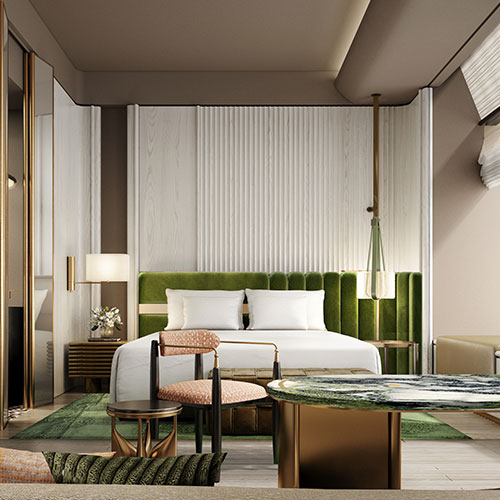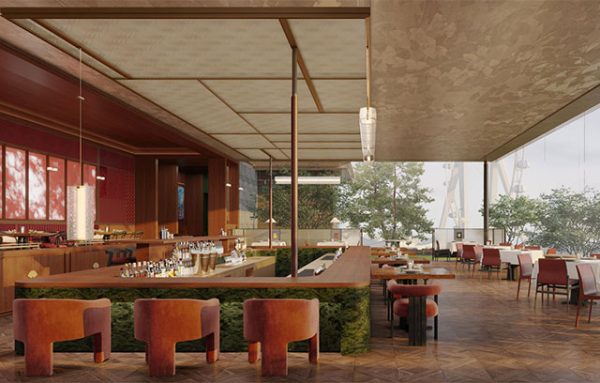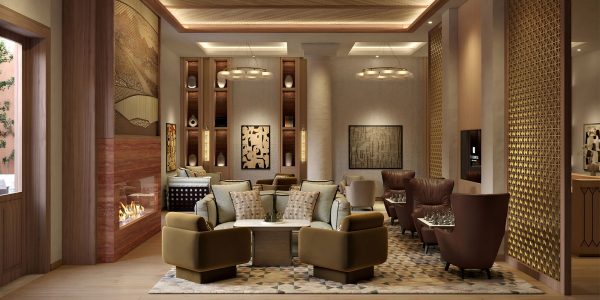

From Design Drawings to Shop Drawings, Samples and Production — A Practical Guide for Hotel Owners, Designers, Contractors and Procurement Teams
A custom hotel furniture specification should define dimensions and configuration, materials and finishes, construction and functional requirements, hardware and accessories, installation and site requirements, and compliance and performance requirements. These details are then developed into approved shop drawings and physical samples before production, so the finished furniture matches the design intent. IDM Hotel Furniture supports this process from design review and technical development through manufacturing, quality control and delivery.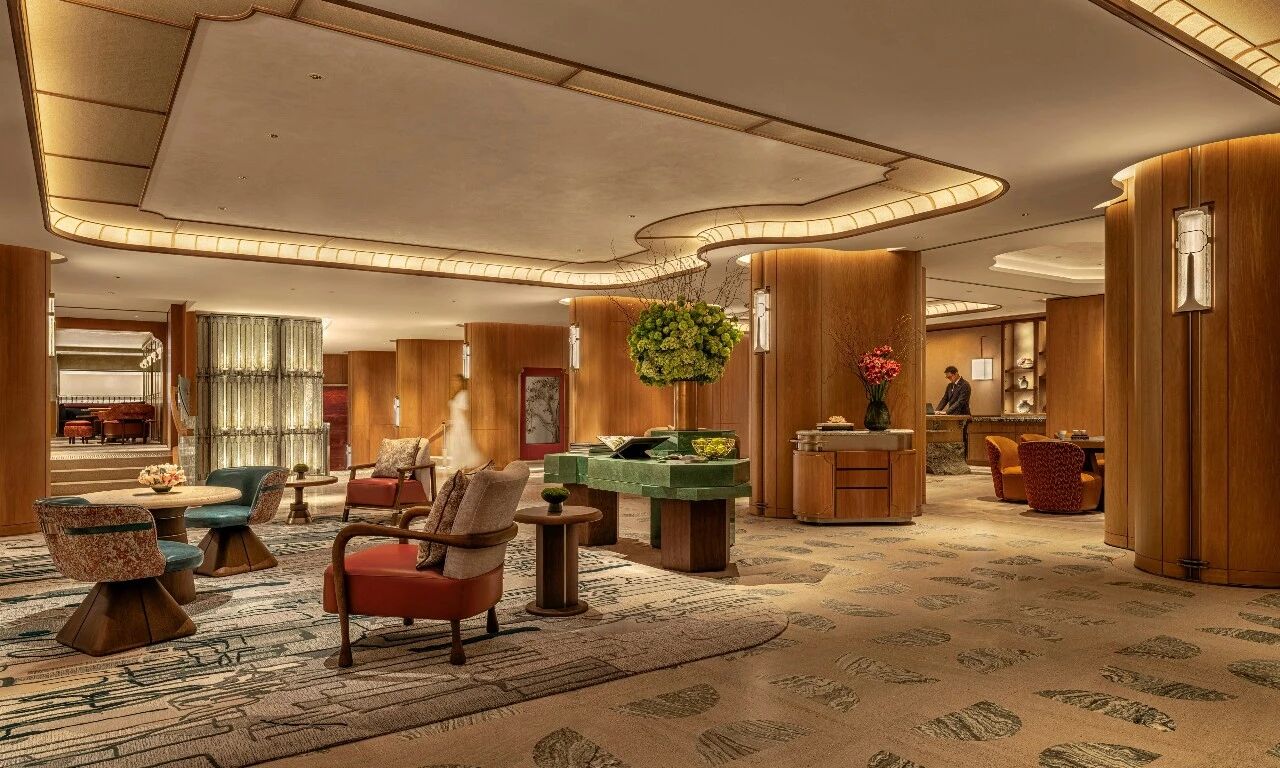
Custom hotel furniture is more than a matter of choosing the right style, material or color. For a hotel project, every piece of furniture needs to match the interior design, fit the available space, meet functional requirements and be practical to manufacture and install.
For hotel owners, developers, interior designers, contractors and procurement teams, the challenge is turning design concepts into finished furniture without losing important details along the way. Unclear dimensions, incomplete material specifications or unconfirmed finishes can lead to production errors, unexpected costs, rework and installation delays — problems that are often easier to prevent during the design and specification stage than to correct after manufacturing begins.
At IDM Hotel Furniture, we help hotel projects bridge the gap between design intent and furniture production through custom furniture development, technical drawing coordination, material and sample confirmation, factory manufacturing and quality control. Whether you already have approved furniture drawings or are still developing your initial design concept, starting with the right specifications helps establish a clearer path from design approval to final delivery.
1. Why Custom Hotel Furniture Projects Need Clear Specifications
Hotel furniture often needs to meet several requirements at the same time. It must reflect the interior design, fit the space, withstand the demands of hotel use and work within the project’s budget and schedule. Without clear specifications, different parties may interpret the same design in different ways.
A piece may look correct in a rendering but still create problems on site. Room layouts, wall conditions, outlets, clearances and adjacent finishes all affect final dimensions — confirm them before production.
“Wood veneer,” “dark walnut” or “brushed metal” describe a look, not an exact material. Clear descriptions, finish references and approved samples align expectations before manufacturing.
Incomplete specifications lead to repeated quotations, late changes and extra material purchases. A well-prepared specification gives procurement a reliable basis for comparing quotations.
Drawings, material selection, sample approval and hardware confirmation all affect the schedule. Clear specifications surface outstanding decisions earlier.
2. What Should a Hotel Furniture Specification Include?
A hotel furniture specification should explain what needs to be made, how it should look, how it should function and what requirements it must meet. The level of detail depends on the furniture type and project stage, but the following elements are a practical starting point.
| Element | What to define |
|---|---|
| Dimensions & Configuration | Width, depth and height of each item; internal dimensions, clearances, mounting heights and positions of functional components — reviewed against room layouts and architectural drawings, with site measurements where required. |
| Materials & Finishes | Wood veneer, solid wood or other surface materials; substrates and internal panels; upholstery fabrics and leather alternatives; stone and decorative surfaces; paint systems, laminates and metal finishes. Reference samples, finish codes or approved material boards give a clearer basis than color names. |
| Construction & Function | How each item should work — e.g. a wardrobe’s hanging space, drawers, shelves and concealed hardware; a bedside table’s cable access or drawer configuration; a banquette’s upholstery and support construction. |
| Hardware & Accessories | Hinges, drawer runners, handles, locks, brackets and cable-management components. If a specific model or performance level is required, identify it in the project documents. |
| Installation & Site | Installation methods, fixing requirements, interfaces with other trades and site constraints — especially for fixed furniture, built-in wardrobes, vanities, headboards and other custom joinery. |
| Compliance & Performance | Fire performance, moisture resistance, termite protection or other technical requirements, documented and confirmed before production. Requirements vary by project and destination market. |
3. How to Turn Interior Design Drawings into Production-Ready Furniture
Interior design drawings communicate the intended appearance and layout of a space, but they may not contain every detail needed to manufacture custom hotel furniture. The next step is to develop the design information into a coordinated technical package.
-
Step 1 · Review the Design Intent
Start with the floor plans, elevations, furniture layouts, renderings, schedules and project brief to understand the design concept, function, material direction and spatial requirements — and identify missing information. If the furniture design is not finalized, additional concept development may be needed before detailed engineering.
-
Step 2 · Develop Furniture Shop Drawings
Furniture shop drawings translate the design into technical information for review and manufacturing: overall and detailed dimensions; front, side and plan views; internal construction; material and finish references; hardware positions; assembly and installation details; and interfaces with walls, floors or adjacent furniture. Reviewing them with stakeholders before production helps catch dimensional conflicts and installation issues.
-
Step 3 · Check Manufacturing Feasibility
A design may need technical adjustments to be practical to manufacture, transport and install. This does not mean changing the design without approval — it means reviewing construction methods, component sizes, material availability, assembly and installation conditions to find workable solutions, with any changes discussed and approved by the relevant parties.
-
Step 4 · Confirm the Approved Production Information
Before production, establish which drawings, materials, finishes, hardware and samples are approved. This becomes the working reference for manufacturing and quality inspection, and later changes should be documented and communicated — so different teams are never working from different versions of the same design.
4. Why Material Samples and Finish Approval Matter
Material samples help bridge the gap between a design reference and the materials that will actually be used in production. Renderings and digital images communicate direction, but they cannot always represent the exact appearance, texture or color of a physical material.
Verify Color, Texture and Surface Appearance
Wood veneer has natural variation. Paint finishes can look different under different lighting. Upholstery varies in texture, weave and color, and stone may have distinctive patterns. For custom hotel furniture, sample confirmation may include:
Check Materials Against the Overall Design
A material may look attractive on its own but appear different when combined with flooring, wall finishes, lighting and other furniture. Reviewing samples together helps the design team assess whether the selection works as a coordinated palette — and for larger projects, a sample board or furniture mock-up can help evaluate multiple materials together.
Confirm Before Mass Production
Material and finish approval should be completed before materials are released for production. Keep a clear record of approved samples and their corresponding furniture items, giving the manufacturer and inspection team a consistent reference. Sample approval does not replace production quality control, but it defines the expected appearance and quality of the finished furniture.
5. How to Balance Design Intent, Budget and Manufacturing Requirements
When the initial design exceeds the budget or presents manufacturing challenges, value engineering can help identify practical alternatives. The goal is not simply to choose cheaper materials — it is to understand which design features are essential, where alternatives may work and how changes affect the complete furniture package.
Review Materials & Construction
Compare alternative materials, substrates, finishes or construction methods — evaluated against appearance, durability, maintenance, compliance and the approved design intent.
Optimize Dimensions & Material Use
Reviewing panel sizes, component layouts and material utilization can reduce waste or simplify manufacturing; standardizing selected components may improve production efficiency where the design allows.
Simplify Manufacturing & Installation
Some details can be adjusted for more efficient assembly, transport or installation — for example, dividing an item into manageable sections to suit access conditions. Assess such changes early.
Evaluate the Whole Project Cost
The lowest initial quotation is not necessarily the best overall solution. Consider material quality, construction, maintenance, packaging, shipping, installation and the consequences of late changes.
6. How to Choose a Custom Hotel Furniture Manufacturer
The right manufacturing partner should understand the design requirements, develop practical technical solutions and maintain clear communication throughout the project. When evaluating a custom hotel furniture manufacturer, consider the following areas.
| Area | What to ask |
|---|---|
| Design & Engineering Support | Can the manufacturer review your drawings, identify missing information and develop shop drawings for approval? A capable technical team connects the design concept with manufacturing requirements and installation conditions. |
| Custom Manufacturing Capability | Can the factory produce to the required dimensions, materials, finishes and construction details — with relevant experience across guestroom, public area, restaurant, fixed and loose furniture? |
| Material & Sample Coordination | Can it coordinate material selection, finish matching and physical sample approval before mass production, and establish references for quality inspection? |
| Quality Control Process | How are materials, dimensions, finishes, construction and finished products checked? QC should link to approved specifications and drawings, not only a general visual inspection. |
| Production & Project Coordination | How are drawing approvals, material confirmation, production planning, inspections, packing and delivery coordinated across multiple furniture categories and approval stages? |
| Logistics & Installation Support | How will furniture be packed, identified, shipped and delivered? If installation support is needed, clarify scope and responsibilities before production begins. |
7. How IDM Supports Your Custom Hotel Furniture Project
IDM Hotel Furniture is a China-based hotel and hospitality furniture manufacturer supporting custom furniture projects from design development through manufacturing and delivery coordination. With a 100,000 m² manufacturing area, three manufacturing bases and a 50-person design team, IDM supports projects that require coordination between design intent, technical development and factory production.
Design & Technical Development
IDM can work with approved furniture drawings or preliminary design concepts. Our team supports design review, furniture development and technical drawing coordination to translate design requirements into practical manufacturing solutions.
Custom Furniture Manufacturing
Furniture is developed around project-specific dimensions, materials, colors, finishes and design details — custom fixed and loose furniture (FF&E and Joinery) for guestrooms, public areas, restaurants, suites, penthouses and other hotel spaces.
Material & Sample Confirmation
Where required, physical samples — veneer, paint finishes, upholstery fabrics and stone surfaces — are prepared for approval before mass production, providing references for manufacturing and quality control.
Quality Control
Quality checks are aligned with the approved specifications, drawings, material selections and sample references, helping the project team assess whether finished furniture meets the agreed requirements before shipment.
Project Coordination & Delivery
IDM coordinates technical development, manufacturing, packing and logistics. Depending on the agreed scope, support may also include installation coordination and site handover — keeping technical information, approvals and delivery connected.
Our aim is to help clients move from design intent to finished furniture with clearer specifications, better coordination and fewer avoidable surprises.
8. Ready to Discuss Your Hotel Furniture Project?
If you are planning a hotel, resort, serviced apartment or hospitality renovation, preparing the right project information is a useful first step toward an accurate furniture proposal. You do not need to have every detail finalized — the information available at your current project stage can help establish what needs to be confirmed next. To help us understand your requirements, you can share:
- Floor plans and interior design drawings to explain the layout and design direction
- Furniture schedules or BOQs to identify product categories and quantities
- Renderings or reference images to communicate the intended appearance
- Material and finish specifications to define the required surfaces and colors
- Project location and target schedule to support production and delivery planning
- Budget expectations to help evaluate suitable materials and construction options
IDM can review the available information and discuss the next steps for design development, technical drawings, samples and custom manufacturing based on your project needs.
Frequently Asked Questions
What information is needed to start a custom hotel furniture project?
Floor plans, interior design drawings, furniture schedules, BOQs, renderings, material references and target delivery dates are useful starting points. If some information is not available, the project team can identify which details need to be developed or confirmed.
Can custom hotel furniture be manufactured from interior design drawings?
Yes, provided the available information is sufficient or can be developed into an approved technical package. Furniture shop drawings, material specifications and sample approvals may be needed before production begins.
Why are shop drawings important for hotel furniture manufacturing?
Shop drawings define dimensions, construction, materials, hardware and other technical details needed to review and manufacture the furniture. They also help identify potential conflicts before production and installation.
Should furniture samples be approved before mass production?
For materials and finishes that significantly affect the final appearance, physical sample approval is a valuable step. It provides a reference for manufacturing and quality inspection and helps align expectations among the project stakeholders.
How can value engineering reduce hotel furniture costs?
Value engineering reviews materials, construction methods, component dimensions, material utilization and installation requirements to identify practical alternatives. Proposed changes should be assessed against the design intent, performance requirements and project specifications.
Does IDM support both fixed and loose hotel furniture?
IDM supports custom fixed and loose furniture manufacturing (FF&E and Joinery) for hotel projects. The specific products, technical development and delivery services should be confirmed according to the project’s scope and requirements.
Looking for a custom hotel furniture manufacturer that understands your design requirements?
Contact IDM Hotel Furniture to discuss your project and explore a practical route from design development to production and delivery.